


Material Upgrades in iPhone 16: A New Standard for Durability and Design

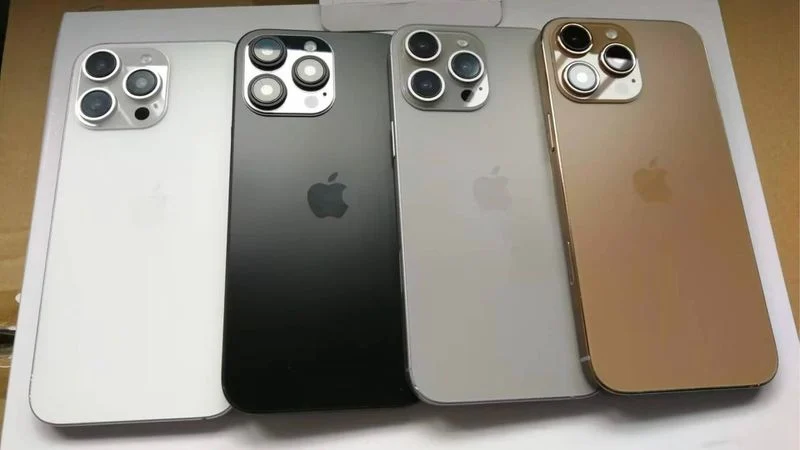
Apple has long been synonymous with premium design and meticulous attention to detail. With the iPhone 16, Apple is pushing the boundaries even further by introducing significant material upgrades that enhance both the aesthetics and durability of the device. These changes are not just about making the iPhone look and feel more luxurious; they’re also about improving the overall user experience, sustainability, and the longevity of the device. Here’s an in-depth look at the material upgrades in the iPhone 16 and what they mean for users.
1. Polished Titanium Finish
One of the most notable material upgrades in the iPhone 16 is the introduction of a polished titanium finish on the Pro and Pro Max models. Titanium is a metal known for its exceptional strength-to-weight ratio, making it both lighter and more durable than the stainless steel used in previous iPhones. The polished titanium finish not only gives the iPhone 16 a sleek, mirror-like appearance but also enhances its resistance to scratches and wear.
This new material is particularly beneficial for users who want a phone that can withstand daily wear and tear without sacrificing aesthetics. Titanium’s natural corrosion resistance also ensures that the iPhone 16 will maintain its appearance over time, even in challenging environments.
2. Recycled Materials and Sustainability
Apple has been making strides in sustainability, and the iPhone 16 continues this trend by incorporating more recycled materials than ever before. Apple is rumored to be using recycled titanium in the new iPhone models, further reducing the environmental impact of production. This move is in line with Apple’s broader environmental goals, including its commitment to making all its products carbon-neutral by 2030.
In addition to recycled titanium, Apple is likely to use recycled aluminum, rare earth elements, and other materials in the iPhone 16. These efforts not only make the device more sustainable but also help Apple lead the way in responsible manufacturing practices. For environmentally-conscious consumers, these material upgrades add significant value to the iPhone 16, making it a choice that aligns with their values.
3. Anti-Reflective Optical Coating
Another material-related enhancement in the iPhone 16 is the introduction of a new anti-reflective optical coating on the camera lenses. This coating reduces lens flare and ghosting, which are common issues in smartphone photography, particularly in bright light conditions. By minimizing these optical aberrations, the iPhone 16 ensures that users can capture clearer, more professional-quality photos and videos.
This coating not only improves image quality but also protects the camera lenses from scratches and other forms of damage, adding to the overall durability of the device. For users who frequently use their iPhones for photography, this upgrade is a game-changer, ensuring that their lenses remain in top condition over time.
4. Improved Glass Durability
Apple has always placed a strong emphasis on the durability of its devices, and the iPhone 16 is no exception. The front and back glass panels on the iPhone 16 are expected to feature enhanced durability, thanks to a combination of ceramic shield technology and other proprietary treatments. This improved glass is designed to be more resistant to drops and scratches, providing users with added peace of mind when carrying their devices in everyday situations.
The use of this high-strength glass, combined with the polished titanium frame, makes the iPhone 16 one of the most durable smartphones Apple has ever produced. This is particularly important for users who are prone to accidental drops or who prefer not to use a case, as the iPhone 16 is built to withstand the rigors of daily life.
5. Lighter and More Ergonomic Design
Thanks to the use of titanium and other lightweight materials, the iPhone 16 Pro models are expected to be lighter than their predecessors. This reduction in weight, coupled with a more ergonomic design, makes the iPhone 16 easier to hold and use for extended periods. The lighter weight is especially beneficial for users who frequently use their phones for gaming, video watching, or other activities that require prolonged usage.
The ergonomic improvements also extend to the device’s overall shape and button placement. Apple has reportedly refined the design to ensure that the iPhone 16 feels more natural in the hand, with buttons that are easier to reach and use. These subtle yet impactful changes demonstrate Apple’s commitment to user comfort and satisfaction.
Conclusion
The material upgrades in the iPhone 16 represent a significant leap forward in both design and functionality. With the introduction of polished titanium, the increased use of recycled materials, and the addition of advanced coatings and treatments, the iPhone 16 is not just a smartphone—it’s a statement of quality, sustainability, and innovation. These upgrades ensure that the iPhone 16 is built to last, providing users with a device that looks and performs exceptionally well over time.
As Apple continues to push the boundaries of what’s possible in smartphone design, the iPhone 16 stands as a testament to the company’s dedication to excellence. Whether you’re drawn to its sleek appearance, its durability, or its environmentally-friendly materials, the iPhone 16 is set to be a standout device in Apple’s lineup.