


Reimagined Camera Layout in iPhone 16: A New Era of Mobile Photography

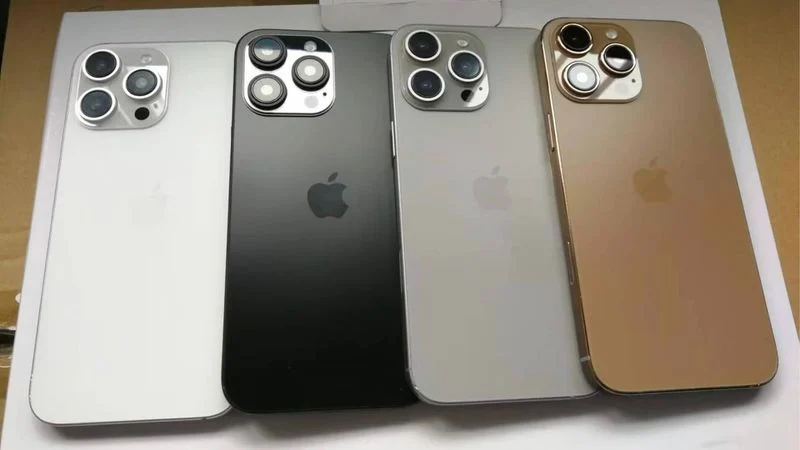
Apple’s iPhone series has consistently set the standard for smartphone photography, and the iPhone 16 is expected to continue this trend with its reimagined camera layout. While Apple has always been known for incremental yet meaningful improvements in camera technology, the iPhone 16 takes a bold step by introducing a new design that is both functional and aesthetically pleasing. This change isn’t just about looks—it’s about enhancing the overall photography experience for users. Let’s delve into the details of this reimagined camera layout and what it means for the iPhone 16 series.
1. Vertical Camera Alignment
One of the most noticeable changes in the iPhone 16 is the shift to a vertical camera alignment on the standard and Plus models. Unlike the diagonal camera layout seen on recent iPhones, this vertical arrangement marks a return to a more classic look, reminiscent of earlier iPhone models. However, the reasons behind this design choice go beyond nostalgia.
The vertical alignment is believed to be closely linked to Apple’s new spatial video capabilities, designed for seamless integration with the upcoming Vision Pro headset. This new feature will allow users to capture immersive videos that can be viewed in augmented reality (AR), providing a more interactive and engaging way to relive memories. The vertical layout may help optimize the positioning and performance of the lenses and sensors needed for this advanced functionality.
2. Enhanced Camera Modules
The iPhone 16’s camera system is not just about reconfiguring the layout; it also involves significant upgrades to the camera modules themselves. The Pro models are expected to feature a new 48MP custom sensor, which Apple has optimized for better dynamic range and noise reduction. This sensor, coupled with improved image processing algorithms, promises to deliver sharper, more vibrant images even in challenging lighting conditions.
Additionally, Apple is reportedly using a new anti-reflective optical coating on the camera lenses. This coating will help reduce lens flare and ghosting, two common issues in smartphone photography, particularly when shooting in bright environments. This means that users can expect clearer, more professional-looking photos and videos, even when dealing with direct sunlight or artificial lighting.
3. Larger Camera Sensors
The iPhone 16 series is also rumored to include larger camera sensors across all models, not just the Pro variants. Larger sensors allow for more light to be captured, resulting in better low-light performance and more detailed images. This upgrade is crucial for night photography, where noise and blur are often issues. The larger sensors, combined with Apple’s advanced computational photography techniques, will likely make the iPhone 16 one of the best smartphones for capturing photos in any lighting condition.
4. Spatial Video and AR Integration
As mentioned earlier, one of the standout features of the iPhone 16’s camera system is its integration with Apple’s Vision Pro headset. The ability to capture spatial videos—videos that can be viewed in AR—represents a significant step forward in mobile photography and videography. This feature will allow users to record 3D-like videos that offer a sense of depth and immersion, something that has traditionally been the domain of professional cameras and specialized equipment.
The vertical camera layout is likely optimized to support this functionality, ensuring that the cameras can capture the necessary data to create these immersive experiences. This integration with AR not only adds a new dimension to how we capture and view memories but also hints at the future direction of Apple’s ecosystem, where AR plays a central role.
5. Impact on Design and Ergonomics
While the technical aspects of the reimagined camera layout are impressive, Apple has also considered the impact on the overall design and ergonomics of the iPhone 16. The vertical alignment is expected to make the camera bump less prominent, contributing to a sleeker and more balanced design. This change could also improve how the phone feels in hand, especially when taking photos or videos, as the weight distribution may be more evenly spread.
Furthermore, the more compact camera housing might make it easier to use the phone with one hand, particularly for those who prefer the smaller standard iPhone 16 model. Apple’s attention to these details underscores its commitment to creating devices that are not only powerful but also user-friendly.
Conclusion
The reimagined camera layout in the iPhone 16 is more than just a design tweak—it’s a comprehensive upgrade that enhances the device’s photography capabilities, user experience, and integration with emerging technologies like augmented reality. Whether you’re a professional photographer or someone who loves capturing everyday moments, the iPhone 16’s camera system promises to deliver exceptional performance in a sleek and thoughtfully designed package.
As we await the official release, the excitement surrounding the iPhone 16 continues to build. With its innovative camera layout and advanced features, this device is poised to redefine what we expect from smartphone photography. Whether you’re capturing stunning landscapes, shooting in low light, or exploring the new world of AR, the iPhone 16 is set to offer an unparalleled photography experience.