


The Design and Build of the iPhone 16: A Deep Dive

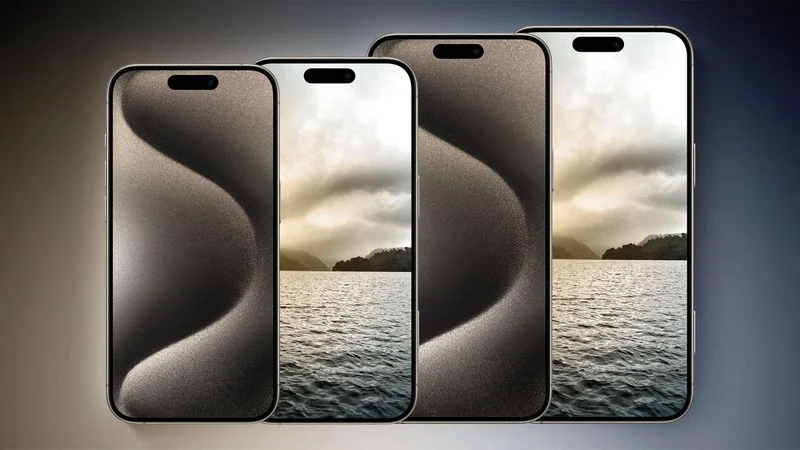
Apple’s iPhone has long been a symbol of premium design and cutting-edge technology, and the iPhone 16 is no exception. With the launch just around the corner, the design and build of the iPhone 16 are among the most anticipated aspects of the new series. Apple has taken significant steps to enhance the aesthetics, durability, and overall user experience with the iPhone 16. Let’s explore in detail what makes the design and build of the iPhone 16 stand out.
1. Aesthetic Refinements
The iPhone 16 is set to introduce some subtle yet impactful design changes. One of the most talked-about updates is the polished titanium finish on the iPhone 16 Pro and iPhone 16 Pro Max models. This finish marks a departure from the brushed titanium used in the iPhone 15 Pro models. The polished titanium gives the new models a glossy, mirror-like appearance, reminiscent of the highly polished stainless steel finishes of previous iPhones. This not only enhances the premium look but also improves resistance to scratches and wear over time.
In addition to the titanium finish, Apple is expected to introduce new color options. While the standard iPhone 16 and 16 Plus models will likely come in a variety of colors, including black, green, pink, blue, and white, the Pro models are expected to feature colors like black, white or silver, gray (or “Natural Titanium”), and a new rose or bronze-like color, replacing the Blue Titanium from the iPhone 15 series.
2. Reimagined Camera Layout
The iPhone 16 will also feature a redesigned camera layout, particularly on the standard and Plus models. Unlike the diagonal arrangement seen on recent models, the iPhone 16 series is rumored to revert to a vertical camera alignment. This change is not merely for aesthetics but is believed to be linked to the new spatial video capabilities that Apple is introducing, designed to integrate seamlessly with the Vision Pro headset.
On the Pro models, the camera housing is expected to see slight adjustments to accommodate enhanced hardware, including the new 48MP custom sensor that offers better dynamic range and reduced noise in low-light conditions. This makes the camera system not only more powerful but also more visually harmonious with the overall design.
3. Material Upgrades
The iPhone 16 series continues Apple’s commitment to using high-quality materials. The Pro models’ shift to polished titanium reflects a broader trend within Apple’s design philosophy: combining aesthetic appeal with functional benefits. Titanium is known for its strength-to-weight ratio, meaning the iPhone 16 Pro models could be lighter yet more durable than their predecessors.
Moreover, Apple is reportedly employing a new anti-reflective optical coating for the iPhone 16’s camera lenses. This coating will reduce lens flare and ghosting, which are common issues in smartphone photography, particularly in bright lighting conditions. By applying this coating, Apple aims to improve the overall quality of photos while also protecting the camera lenses from environmental damage.
4. Durability and Ergonomics
The iPhone 16 series is designed with everyday use in mind. The polished titanium not only enhances the phone’s durability but also improves its ergonomics. Titanium’s lightweight nature means that even with a larger display and more powerful components, the iPhone 16 Pro models will be comfortable to hold and use for extended periods.
Apple has also refined the button placement and form factor to make the iPhone 16 series more ergonomic. The slight curves at the edges, combined with a more compact and centered button layout, are designed to make the phone feel more natural in the hand, reducing fatigue during prolonged use.
5. Sustainability and Environmental Impact
In line with Apple’s growing emphasis on sustainability, the iPhone 16 series is expected to incorporate more recycled materials. Apple has been increasingly using recycled aluminum, rare earth elements, and now, potentially recycled titanium, in its devices. This approach not only reduces the environmental impact of producing these high-tech gadgets but also ensures that the iPhone 16 aligns with modern sustainability goals.
6. Display and Form Factor
While the overall form factor of the iPhone 16 is expected to remain similar to previous models, Apple is rumored to introduce slight changes in the display design. The bezels around the screen may be further reduced, allowing for a more immersive viewing experience without significantly increasing the phone’s overall size. The display itself is likely to be a Super Retina XDR, continuing Apple’s tradition of delivering stunning visuals with deep blacks, vibrant colors, and high brightness levels.
7. Anticipated Reception
The design and build of the iPhone 16 are set to raise the bar once again in the smartphone industry. Early reactions from analysts and enthusiasts suggest that the combination of refined aesthetics, durable materials, and advanced functionality will make the iPhone 16 a hit among both new buyers and long-time Apple fans.
Conclusion
The iPhone 16’s design and build reflect Apple’s ongoing commitment to innovation, quality, and user experience. With a polished titanium finish, reimagined camera layout, and a focus on durability and ergonomics, the iPhone 16 series is poised to be a landmark release. Whether you’re drawn to the aesthetic refinements, the improved camera system, or the sustainable materials, the iPhone 16 promises to be a device that not only meets but exceeds expectations.
As we approach the official launch, all eyes will be on Apple to see how these design elements come together in the final product. If the rumors hold true, the iPhone 16 will be a testament to Apple’s ability to blend form, function, and sustainability into one cohesive and desirable package.