


iPhone 16 vs iPhone 15

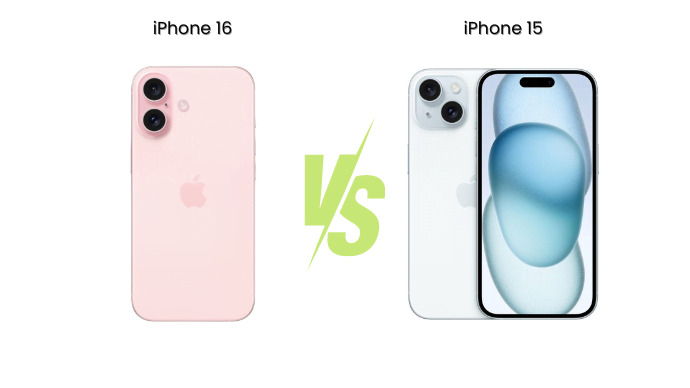
A Detailed Comparison of Features Across All Models
Apple’s latest iPhone lineup is always eagerly anticipated, and the iPhone 16 is no exception. With each new release, Apple introduces a host of new features, enhancements, and refinements. In this blog, we’ll delve into the key features of the iPhone 16 and how they compare to its predecessor, the iPhone 15, across all models: the standard iPhone, iPhone Pro, and iPhone Pro Max. We’ll also include a comparison table to summarize the differences and similarities between the two generations.
Design and Build
- iPhone 16: The iPhone 16 lineup is expected to feature a more refined design with slight adjustments in dimensions, weight, and material choices. Apple might introduce new colors and finishes, and there’s speculation about improved durability through better materials or construction techniques. The Pro models may also see a more seamless integration of under-display technology for the front camera and Face ID sensors.
- iPhone 15: The iPhone 15 series introduced a slightly more rounded design with thinner bezels. It featured durable ceramic shield glass and an aluminum or stainless steel frame, depending on the model.
Display
- iPhone 16: The iPhone 16 series is expected to continue the trend of high-quality displays across all models. The Pro models might feature advancements like a 120Hz ProMotion display across all versions, even potentially offering an always-on display mode. Improved brightness and color accuracy are also expected.
- iPhone 15: The iPhone 15 introduced the ProMotion 120Hz display in the Pro models, with the standard models featuring a 60Hz display. The displays were praised for their brightness, color accuracy, and sharpness.
Performance and Hardware
- iPhone 16: The iPhone 16 is expected to debut with the A18 Bionic chip, offering even faster processing speeds, enhanced graphics capabilities, and improved energy efficiency. All models will likely see an increase in base RAM, with storage options starting at a higher capacity. Battery life is also expected to improve thanks to both hardware optimizations and a more efficient chipset.
- iPhone 15: The iPhone 15 series was powered by the A17 Bionic chip, which provided significant performance gains over the A16. The Pro models featured up to 1TB of storage, and battery life was competitive, with the Pro Max model offering the longest battery life.
Camera System
- iPhone 16: The iPhone 16 is expected to feature significant upgrades in the camera department. The Pro models might include a new periscope-style telephoto lens for improved optical zoom, enhanced low-light performance, and advanced computational photography features powered by the A18 chip. The standard model will also see improvements, particularly in software-based enhancements like better night mode and portrait photography.
- iPhone 15: The iPhone 15 series offered a solid camera system with notable improvements in low-light photography and video recording. The Pro models featured a triple-camera system, including ultra-wide, wide, and telephoto lenses, with advanced features like ProRAW and ProRes video recording.
Software and Features
- iPhone 16: The iPhone 16 will launch with iOS 18, introducing new software features tailored to the advanced hardware. This could include enhanced multitasking, new privacy features, and expanded customization options. AR and VR capabilities are expected to be more integrated, taking advantage of the improved hardware.
- iPhone 15: The iPhone 15 series launched with iOS 17, which introduced a range of new features, including enhanced Focus modes, improved widgets, and a more customizable lock screen. These features will carry over and be expanded upon in iOS 18.
Connectivity and Battery Life
- iPhone 16: The iPhone 16 series is expected to support faster 5G connectivity, improved Wi-Fi, and Bluetooth capabilities. The Pro models may also include advanced satellite communication features for emergency use. Battery life is anticipated to improve slightly due to more efficient components.
- iPhone 15: The iPhone 15 series offered robust connectivity options, with support for 5G, Wi-Fi 6E, and Ultra-Wideband (UWB) technology. Battery life was strong across all models, with the Pro Max leading the pack.
Comparison Table: iPhone 16 vs. iPhone 15
| Feature | iPhone 16 (Expected) | iPhone 15 |
|---|---|---|
| Design | Refined design, new materials and finishes | Rounded design, ceramic shield glass |
| Display | ProMotion 120Hz across all models | 60Hz on standard, 120Hz on Pro models |
| Chipset | A18 Bionic | A17 Bionic |
| RAM | Increased across all models | 6GB (standard), 8GB (Pro) |
| Storage | Starts at 128GB, higher options available | Starts at 128GB, up to 1TB |
| Camera System | Improved low-light, periscope zoom on Pro | Triple-camera (Pro), improved low-light |
| Software | iOS 18, new AR/VR features | iOS 17, enhanced Focus modes |
| Connectivity | Faster 5G, advanced satellite features | 5G, Wi-Fi 6E, UWB |
| Battery Life | Slightly improved | Strong, with Pro Max offering the best |
| Pricing | Slight increase expected | Standard pricing structure |
Conclusion
The iPhone 16 series is shaping up to be a significant upgrade over the iPhone 15, with enhancements across design, performance, camera capabilities, and software. While the iPhone 15 set a high standard, the iPhone 16 is expected to push the envelope even further, offering users more advanced features and improved overall performance. Whether you’re considering an upgrade or simply curious about the latest technology, the iPhone 16 promises to be a compelling option in Apple’s ever-evolving smartphone lineup.